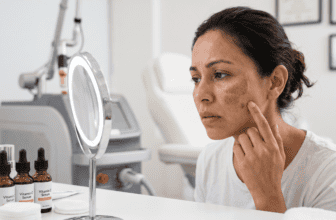
AI-generated editorial illustration above; the generic device shown is not a LYMA or NIRA product photograph.
Affiliate disclosure: As an Amazon Associate, WorldsCave earns from qualifying purchases. This comparison is based on manufacturer instructions and regulatory documents; it is not a hands-on trial or a medical assessment.
If you are comparing the LYMA Laser and NIRA Pro 3, the useful questions are practical: What does each device aim to treat? How much time will it take? And can your skin tolerate the routine? Neither a premium price nor a reassuring product name answers those questions.
Both devices are marketed for home wrinkle care, but they use different treatment approaches. A purchase makes more sense when your goal is a gradual change in the appearance of wrinkles, rather than an immediate lift or replacement for lost facial volume.
First, Check Which Model You Are Comparing
This guide compares the original LYMA Laser with the NIRA Pro 3, the model currently featured by NIRA. LYMA Laser PRO is a separate device. NIRA Precision, original Pro, and Pro+ are also different versions. A listing simply labeled “Pro” needs a closer look.
Before ordering, match the device name, packaging, included instructions, seller, warranty, and return terms. In particular, check that a NIRA listing names or shows Pro 3. Do not assume an earlier model has the same specifications or schedule.
What the Technology and FDA Records Tell Us
LYMA Laser: A Low-Level Light Approach
LYMA markets its original device as a low-level “cold” laser. The original FDA summary describes an over-the-counter light-based device with near-infrared and red light sources, intended to treat full-face wrinkles. Its approach differs from resurfacing treatments designed to create controlled thermal injury.
That does not establish that LYMA reaches a particular tissue depth in every user, rebuilds lost facial volume, or outperforms NIRA Pro 3. Wavelength and marketing language alone cannot establish a clinical result.
- May suit: Readers considering a low-level light approach who can commit to area-by-area treatment.
- Main limitation: The time adds up when treating several areas, and photosensitivity precautions still apply.
NIRA Pro 3: A Warming, Non-Fractional Laser
NIRA describes Pro 3 as a non-fractional 1450 nm laser that warms the dermis. It is not a fractional resurfacing laser. Its current product page lists five comfort levels and a tip that activates treatment when it contacts the skin.
NIRA identifies Pro 3 as FDA-cleared for periorbital wrinkles—wrinkles around the eyes. Its wider-area marketing should be considered separately from that stated indication. Neither the clearance nor the product description establishes that Pro 3 will lift jowls or erase deep marionette folds.
- May suit: Readers who prefer a short warming routine and have confirmed the device is suitable for their skin.
- Main limitation: Heat tolerance varies; wrinkle treatment does not restore lost facial volume.
FDA-cleared is the appropriate term for these records. Clearance is specific to a device and its intended use; it is not a guarantee of results or an endorsement of every claim in an advertisement.
Which Is Better for Sensitive Skin?
There is no universal winner. Skin sensitivity can mean dryness, a damaged barrier, a diagnosed condition, or a reaction to a medication. Those situations need different decisions.
LYMA’s safety information excludes people with light-sensitive skin or medications that increase light sensitivity. It also lists contraindications including lupus and photosensitive eczema, and advises consulting a clinician about underlying skin conditions. “Cold” therefore should not be read as “appropriate for everyone.”
NIRA’s current Pro 3 guidance says to start at level one and increase gradually; treatment should feel warm rather than painful. Its published Pro-family instructions list possible reactions including warmth, redness, and stinging, with less common adverse effects also described. Read the safety booklet supplied with Pro 3, and stop if skin becomes painful or uncomfortably hot. A higher setting is not a goal in itself.
If you have active rosacea, eczema, unexplained pigmentation, or recent cosmetic treatment, ask your treating clinician about the exact device before starting. LYMA should not be presented as a treatment for an active inflammatory skin condition. Neither device belongs in a routine that already leaves your skin burning.
Comparison at a Glance
| Consideration | Original LYMA Laser | NIRA Pro 3 |
|---|---|---|
| Treatment approach | Low-level light treatment, marketed as a cold laser | Non-fractional warming laser, according to NIRA |
| FDA-record indication | Full-face wrinkles | NIRA links Pro 3 to a clearance for periorbital wrinkles |
| Routine commitment | Three minutes per targeted treatment area; multiple areas add time | Daily spot-by-spot treatment; NIRA advertises about two minutes |
| Key consideration | Photosensitivity and other listed contraindications | Heat tolerance, irritation, and listed precautions |
| What to expect | A possible gradual cosmetic improvement, not restored facial volume | A possible gradual wrinkle improvement, not a guaranteed lift |
Build a Routine You Can Actually Maintain
LYMA’s current original-device instructions describe three minutes per targeted area, daily for the first 12 weeks, followed by maintenance three times weekly. Three minutes is not automatically a full-face session: treating several separate areas increases the time.
NIRA’s current Pro 3 guide starts with thoroughly cleansed, dry skin. Treatment activates with full tip contact; after the completion signal, move to the next spot. NIRA advertises a routine of about two minutes daily and gradual results over roughly 60 to 90 days. Actual session length depends on the areas treated, and visible improvement is not guaranteed. Follow the supplied Pro 3 manual for treatment boundaries, frequency, and maintenance.
Keep the rest of your routine simple. Introduce one device at a time, record baseline photographs in consistent lighting, and avoid changing several active products simultaneously. That makes tolerability and any visible change easier to assess. Do not increase treatment time to compensate for missed sessions.
Support Skin Comfort and Sun Protection
Moisturizer can temporarily soften the appearance of some fine lines by helping skin retain water. Daily broad-spectrum sunscreen with SPF 30 or higher helps protect against the sun exposure that accelerates visible aging. These basics remain worthwhile whether or not you buy a device.
For a straightforward shopping shortlist, consider Vanicream Moisturizing Cream and Vanicream Facial Moisturizer Broad Spectrum SPF 30. They are supporting skincare options, not products proven to multiply laser results. Test new skincare for tolerance, and follow its label.
Vanicream Moisturizing Cream
GO TO AMAZON
Vanicream Facial Moisturizer SPF 30
GO TO AMAZON
Frequently Asked Questions
Will either device replace fillers?
Do not buy either on that assumption. Wrinkle appearance and facial volume are different treatment goals. If deep folds or sagging are your main concern, a consultation can help establish what a home device is realistically likely to change.
Can I use a laser after Botox or fillers?
Ask the clinician who performed the treatment about timing and the exact device. NIRA’s published Pro-family instructions specifically advise checking with a clinician when receiving cosmetic procedures such as injectables. A blanket claim that every combination is safe is not justified.
Can I treat my eyelids?
Follow the device’s precise treatment map and eye-safety instructions. An indication for wrinkles around the eyes does not authorize treatment of the eyelids or direct exposure of the eyes.
How to Make the Purchase Decision
Consider LYMA if its low-level treatment approach and longer area-by-area routine fit your preferences and its contraindications do not apply. Consider NIRA Pro 3 if a short, warming treatment routine appeals to you and you understand the distinction between its broader marketing and eye-area wrinkle clearance.
Compare the actual checkout cost, exact model, seller authorization, warranty, and usable return period. The available information does not establish a head-to-head winner. The sensible choice is the device whose intended use, precautions, and daily commitment match your needs—or postponing the purchase while you address skin irritation first.